&geometry(324x70) "Dr Gobind Bal")
Knee Replacement Surgery
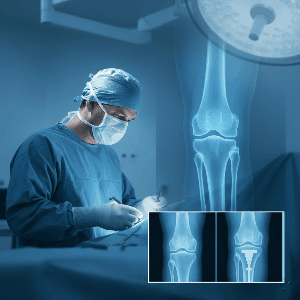
Reclaim the life you love
Chronic knee pain can quietly take over your life — limiting the walks, the activities, and the moments that matter most. If you've reached the point where pain and stiffness are holding you back despite conservative treatments, knee replacement surgery may be the most life-changing step you take.
As an orthopaedic surgeon with extensive experience in joint replacement, I understand that choosing surgery is a significant decision. My goal is to give you the knowledge, time, and support to make the choice that's right for you — with complete confidence.
Is it time? Signs you may be ready for knee replacement
You may be a candidate for knee replacement if you are experiencing one or more of the following:
Persistent pain at rest — pain that wakes you at night or doesn't ease between activities
Failed conservative treatment — medications, physiotherapy, and injections no longer providing relief
Stiffness and limited movement — difficulty bending, climbing stairs, or standing from a chair
Significant x-ray changes — advanced osteoarthritis confirmed on imaging
Reduced quality of life — giving up activities you used to enjoy because of your knee
Deformity or instability — visible bowing of the leg or a feeling the knee may give way
Your journey — what to expect, step by step
1. Initial consultation We sit down together to review your symptoms, imaging, and treatment history. I'll examine your knee thoroughly and explain your options clearly — surgery is only recommended when it's genuinely the right step for you.
2. Pre-operative preparation You'll meet with an anaesthetist, complete any required health assessments, and receive a tailored pre-surgery care plan. We'll walk you through what to expect and answer every question — no detail is too small.
3. The procedure Knee replacement typically takes 1-2 hours. The damaged joint surfaces are removed and replaced with precision-fitted implants. I use advanced surgical techniques — including robotic-assisted technology — to ensure accurate alignment and optimal outcomes.
4. Hospital recovery Most patients stay 2-4 days. Physiotherapy begins the day after surgery — you'll be on your feet sooner than you might expect. The team will ensure your pain is well managed throughout.
5. Return home and rehabilitation A structured home exercise programme guides your recovery. Regular follow-up appointments allow us to track progress and address any concerns promptly. Most patients return to everyday activities within 6-12 weeks.
Recovery timeline
Day 1-3
First steps Physiotherapy begins. You'll stand and walk with support. Pain management is closely monitored and adjusted for your comfort.
Weeks 2-6
Building confidence Walking distance increases steadily. Swelling reduces. Most patients are managing daily tasks independently and moving around the home with ease.
Weeks 6-12
Returning to activity Driving, light exercise, and social activities resume. Many patients notice a dramatic improvement in pain and mobility during this phase.
3-12 months
Full recovery Strength and flexibility continue to improve. Most patients achieve full functional recovery and can return to activities including golf, swimming, cycling, and travel.
Questions patients most often ask me
Am I too young — or too old — for knee replacement?
Age alone doesn't determine candidacy. Knee replacement is performed successfully in patients from their 40s through to their 80s. What matters most is the severity of your symptoms, the impact on your quality of life, and your overall health. I'll assess your individual circumstances carefully and discuss the timing that makes the most sense for you.
How painful is the recovery?
Modern pain management has transformed the knee replacement experience. A combination of nerve blocks, local anaesthetic, and carefully prescribed medication keeps most patients comfortable throughout recovery. Discomfort in the early weeks is normal and very manageable — and importantly, it's very different from the chronic pain you've been living with. Most patients are genuinely surprised by how well they feel.
How long will my new knee last?
Modern implants are highly durable. Studies show that more than 90% of knee replacements are still functioning well at 15 years, and many patients enjoy excellent outcomes for 20 years or more. Implant longevity depends on activity level, body weight, and surgical technique — all factors I'll discuss with you in detail during your consultation.
What activities can I do after surgery?
The goal of knee replacement is to get you back to doing what you love. Most patients return to walking, swimming, cycling, golf, and travelling. High-impact activities such as running or contact sports are generally not recommended, to protect the implant long-term. We'll tailor activity recommendations to your lifestyle and goals from the very first appointment.
What are the risks of knee replacement surgery?
As with any surgery, there are risks — including infection, blood clots, stiffness, and implant-related issues. These are uncommon, and every step of your care is designed to minimise them. I use evidence-based protocols for infection prevention, clot management, and rehabilitation. A thorough discussion of risks and benefits forms a core part of your pre-operative consultation so you can make a fully informed decision.
What's the difference between total and partial knee replacement?
A total knee replacement resurfaces all three compartments of the knee joint. A partial (unicompartmental) replacement addresses only the damaged portion, preserving more of your natural knee. Partial replacement typically means a faster recovery, but it's only suitable for patients with arthritis confined to one area of the knee. I'll assess your imaging carefully and recommend the approach that offers the best long-term outcome for your specific situation.
Ready to take the next step?
A consultation doesn't commit you to anything — it simply gives you the information you need to make the right decision for your health and your life.