&geometry(324x70) "Dr Gobind Bal")
Do You Always Need Surgery for Knee Arthritis? Here's What Else Can Help
 "Do You Always Need Surgery for Knee Arthritis? Here's What Else Can Help")
A diagnosis of knee arthritis can feel like the start of a difficult road — but surgery is rarely the first step. For many patients, a combination of non-surgical treatments can meaningfully reduce pain, improve movement, and delay or even avoid the need for joint replacement altogether.
Here's what those options look like, and how to know when it's time to explore them further.
Understanding knee arthritis
Osteoarthritis is the most common form of knee arthritis. It develops as the protective cartilage cushioning the joint gradually wears down, leading to pain, stiffness, and swelling — particularly with activity or after long periods of rest. It's a progressive condition, but progression varies significantly from person to person, and early management can make a real difference to how it's experienced day to day.
Non-surgical treatment options
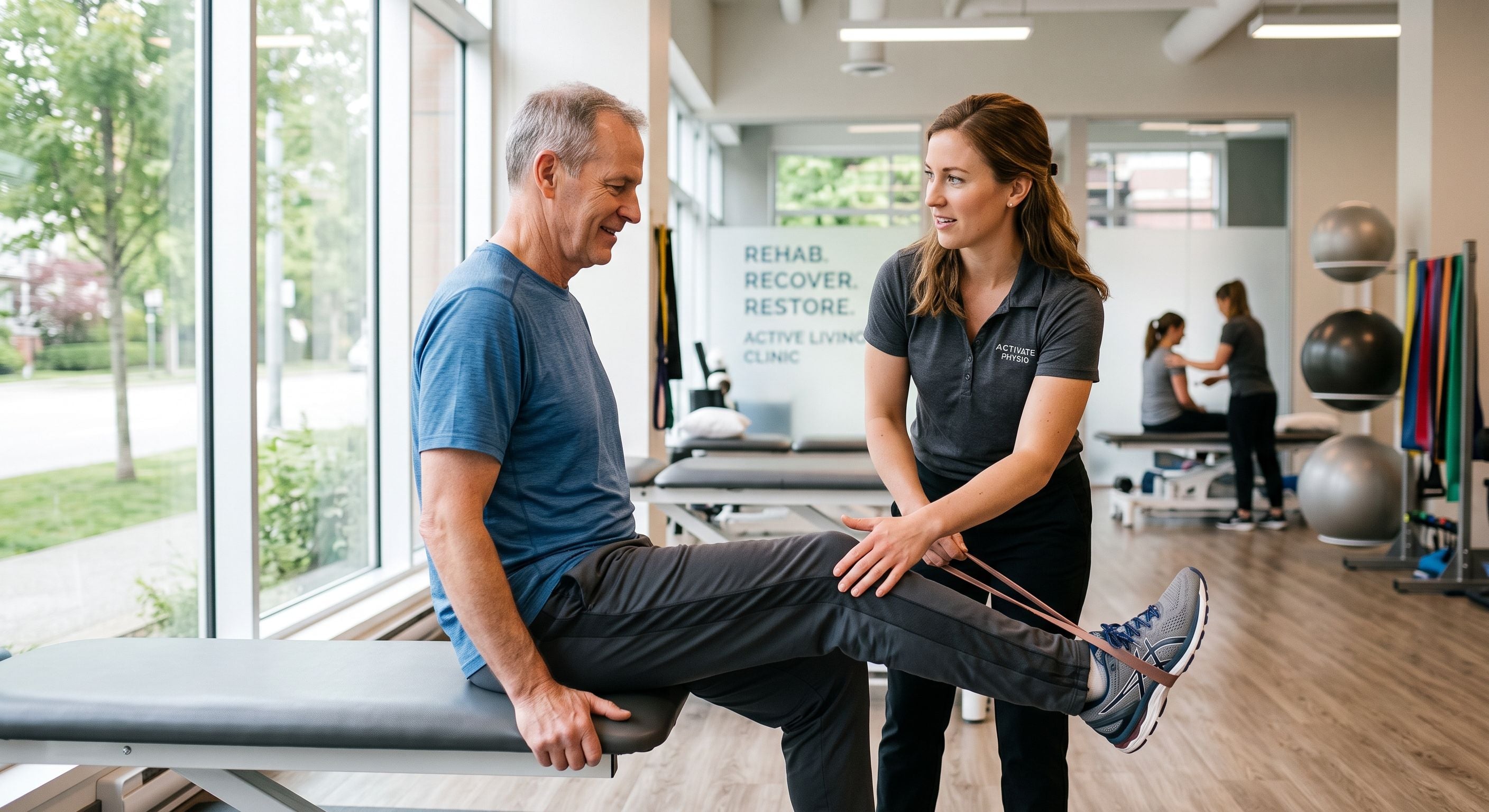
Physiotherapy and targeted exercise Strengthening the muscles around the knee — particularly the quadriceps — helps support the joint and reduce load on damaged cartilage. A tailored physiotherapy program is often the single most effective non-surgical intervention for early to moderate arthritis.
Weight management Every extra kilogram of body weight places disproportionate load on the knee joint during walking and stairs. Even modest weight loss can lead to noticeable reductions in pain for overweight patients.
Activity modification This doesn't mean stopping activity altogether — inactivity often makes arthritis worse. It means choosing lower-impact options like swimming, cycling, or walking on softer surfaces, while easing back on activities that consistently aggravate symptoms.
Anti-inflammatory medication Over-the-counter or prescribed anti-inflammatories can help manage flare-ups. These should always be used under guidance from your GP or specialist, particularly for longer-term use.
Bracing and supports Knee braces or supportive footwear can help redistribute load away from the most affected part of the joint, particularly in patients with arthritis concentrated on one side of the knee.
Injections Corticosteroid or other joint injections can provide temporary relief during flare-ups, and are sometimes used as part of a broader management plan rather than a standalone fix.
When non-surgical treatment isn't enough
Most patients respond well to a combination of these approaches, especially when started early. But if pain is persisting despite a genuine trial of conservative treatment — particularly if it's disturbing your sleep, limiting daily activities, or showing up as significant changes on x-ray — it may be time to discuss further options, including whether surgery is appropriate.
The goal is never surgery for its own sake. It's about finding the right treatment, at the right time, for your individual situation.
Not sure where you sit?
If you're managing knee arthritis and unsure whether your current approach is working, a consultation with Dr Bal can help clarify your options — surgical and non-surgical — so you can make an informed decision about your next step.
This article is general information only and does not replace individual medical advice. Please discuss your specific situation with Dr Bal or your GP.
 "Dr Bal") Author:Dr Bal
Author:Dr Bal| Tags:knee pain |